Choosing an Experiential Design Firm: 5 Risks to Eliminate in Your Next Event Installation
For a Marketing Director, the morning of an event launch is either a moment of triumph or a state of pure panic. You have seen the beautiful renderings. You have approved the budget. But as the truck pulls up to the venue, a thousand variables are still in play. Will the structure fit through the service elevator? Is the structural integrity compliant with local codes? Will the finish look as good in person as it did on a screen?
Selecting the right experiential design firm is not just about finding a creative partner: it is about finding a risk mitigation partner. At Oetee, we operate on a Zero-Panic protocol because we understand that in our world, certainty is the ultimate luxury. When a high-stakes brand activation is on the line, there is no room for "we'll figure it out on-site." Here are five critical risks you must eliminate before you sign your next contract.
1. The Design-Build Gap Risk
The most common failure in experiential marketing happens at the handoff. Many firms focus solely on the "pretty pictures" or the conceptual "big idea," leaving the actual custom fabrication to a third-party vendor they have never worked with before. This creates a massive game of telephone where the original design intent is lost, and the client is left holding the bill for unforeseen technical challenges.
When the designer and the builder are two different companies, the designer has no skin in the game regarding the build's feasibility. They might propose a floating 20-foot header made of heavy oak that is physically impossible to hang from the venue's rigging points. We eliminate this by maintaining an integrated, under-one-roof workflow. Our designers and fabricators are literally in the same building. If a designer proposes a specific cantilevered structure, a fabricator is standing right there to verify the structural requirements. This "Zero Degrees of Separation" ensures that what you approve is exactly what gets built, within budget and without technical compromises.
2. The Logistical "Last-Mile" Risk
An installation is only successful if it arrives on time, intact, and is allowed to be set up. Many firms treat logistics as an afterthought, relying on generic freight carriers who do not understand the fragility of a custom-built environment. Furthermore, they often fail to account for the complex labor and union rules at major venues.
Imagine a scenario where your experiential design firm ships your booth in standard crates that require a specialized forklift that the venue does not have on hand.
A professional firm handles the logistics as part of the creative process. This includes everything from coordinating with local labor unions to managing complex shipping manifests. We treat the crate design with as much intention as the exhibit itself, ensuring that every piece is protected and numbered for intuitive assembly. By anticipating the "last mile" before we even start the build, we eliminate the variables that cause event-day panic.
3. The Material Feasibility Risk
In a render, every surface looks perfect. The lighting is always ideal, and the materials never show wear. In the real world, materials behave differently under different conditions. A high-gloss floor might look stunning in a 3D model, but in a high-traffic environment like a tech conference, it becomes a slip hazard or a scratched mess within two hours of the show opening.
An experiential design firm must have a deep, tactile knowledge of material science. This goes beyond picking a color from a swatch book. It involves understanding how a specific powder-coated finish will react to the stage lights of a specific venue, or how a custom-fabricated acrylic panel will expand and contract in a non-climate-controlled environment.
At our Chicago shop, we test. We obsess over finishes, durability, and lighting interactions. We want to know the exact weight-bearing capacity of a display shelf before it ever leaves our facility. This level of obsessive building prevents the "on-site surprise" where a material looks cheap, fails under pressure, or creates an unsafe environment for your guests.
4. The Regulatory and Safety Risk
Experiential installations are often subject to the same building codes as permanent structures, especially when they involve overhead elements, complex electrical work, or heavy crowds. Working with a firm that does not prioritize safety is a massive liability for your brand. If an installation is deemed unsafe by venue security or the city inspector, it will be dismantled immediately, regardless of how much you paid for it.
Consider the risk of a "rigging failure." If a firm does not understand the specific weight limits of a venue like McCormick Place, they might design a hanging sign that exceeds the structural capacity of the ceiling. This doesn't just risk your budget: it risks lives.
Our process includes rigorous internal safety checks and adherence to all local and national regulations. We do not just build for "the look": we build for the safety and progress of the people who will inhabit the space. We provide the necessary engineering stamps and flame-spread certifications as a standard part of our "Zero-Panic" protocol, ensuring your brand is protected from legal and physical risk.
5. The Budget "Scope Creep" Risk
We have all heard the story: a project starts at one price and ends at another due to "change orders" and "real-world adjustments." This usually happens when the initial quote was based on a design that had not been fully vetted for fabrication. When a firm discovers that their "simple" wall needs a steel internal frame halfway through the build, the client is the one who pays for the oversight.
By integrating design and build from day one, we provide certainty in execution. We know the cost of the materials, the weight of the steel, and the hours of labor required because we are the ones doing the work in our own shop. We don't rely on "guesstimates" from outside vendors. This allows us to provide a comprehensive, transparent budget that stays flat. When you eliminate the "middlemen" and the fragmented workflow, you eliminate the primary drivers of scope creep.
Why "Under One Roof" Matters in Chicago
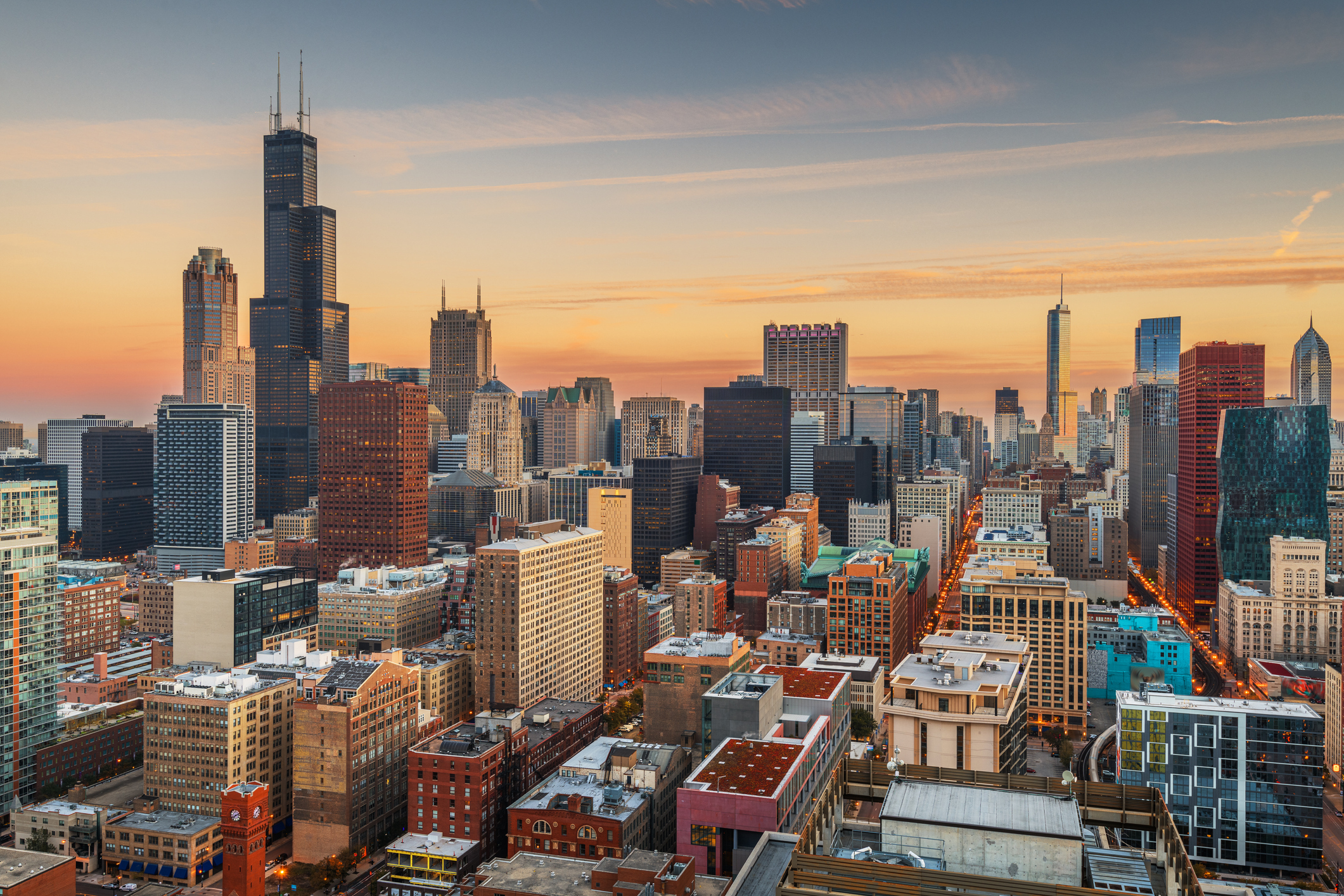
Being based in Chicago (1200 W Cermak Rd) gives us a unique advantage for both local and national activations. We understand the specific logistical "footprints" of this city, but we also design with a global mindset. Our integrated model allows us to pivot quickly. If a client needs a modification 72 hours before a launch, our designers can walk into the shop, talk to the fabricators, and have a solution in progress within the hour. That is the power of Zero Degrees of Separation.
Want a partner who obsesses over the details so you don’t have to?
Email: afterhours@oetee.com | Phone: (312) 639-4021 Schedule a Consultation
Key Takeaways
- Integrated Workflow: Eliminate the gap between design and custom fabrication to ensure the final product matches the initial vision without extra costs.
- Proactive Logistics: Prioritize logistical planning and "Zero-Panic" protocols to avoid disasters involving venue labor, fire marshals, or freight delays.
- Technical Expertise: Ensure your partner has deep knowledge of material science and structural safety to prevent on-site failures and slip-and-fall hazards.
- Regulatory Compliance: Work with firms that provide necessary engineering stamps and certifications to protect your brand from legal liability.
- Budget Certainty: Choose a design-build model to minimize scope creep and ensure your project stays within the approved financial parameters.
