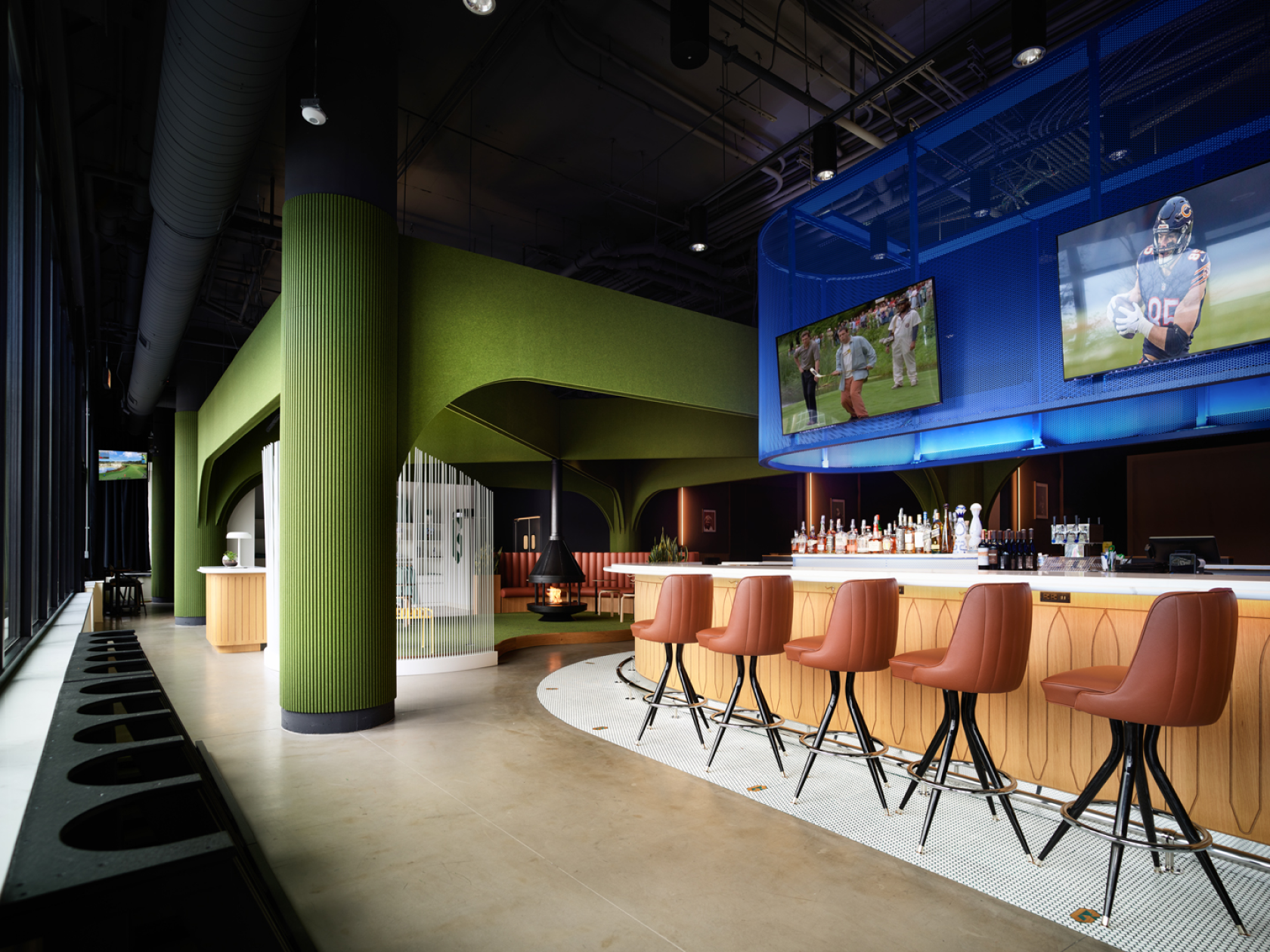
The ROI of Intention: How Strategic Spatial Design Drives High-Value Brand Engagement
In the high-stakes world of experiential marketing, beauty is often mistaken for effectiveness. A stunning installation might catch the eye, but if it fails to guide the visitor toward a specific action or emotional state, it is merely expensive decor. For Marketing Directors and Brand Managers, the true metric of success is not just how many people saw it, but how many people were moved by it.
This is where the discipline of spatial design transitions from an aesthetic exercise into a powerful business tool. At Oetee, we believe that every square inch of a physical environment should serve a purpose. We call this the ROI of Intention: the measurable impact created when a physical space is obsessively built to facilitate human connection and brand progress. When we design, we aren't just looking at coordinates on a floor plan; we are looking at the psychological journey of the guest.
The Psychology of Movement: Beyond the Floor Plan
Spatial design is the silent director of the guest experience. When a visitor enters a brand activation, they are subconsciously looking for cues on how to behave, where to look, and how to move. If those cues are absent or confusing, the guest feels a sense of friction that leads to disengagement. This friction is the enemy of ROI. Every moment a guest spends wondering "where do I go next?" is a moment they are not absorbing your brand message.
Imagine a guest entering a crowded trade show booth where the primary product demo is tucked into a corner behind a massive structural pillar. Even if the guest is interested, the physical barrier creates a psychological stop sign. Strategic design eliminates these barriers by mapping out the guest journey before a single piece of wood is cut. We analyze sightlines, traffic flow, and natural bottlenecks to ensure that the path to engagement is the path of least resistance.
Creating Intuitive Transitions
A well-designed space should feel like a narrative with a clear beginning, middle, and end. We use physical elements like lighting, texture changes, and varying ceiling heights to signal transitions between different zones of an activation. These subtle shifts prepare the visitor mentally for the next phase of the experience.
For instance, consider the transition from a noisy trade show aisle into a brand's "inner sanctum." If the transition is abrupt, the guest remains in a high-alert, distracted state. However, by using spatial design to create a "decompression zone"—perhaps a tunnel with softer acoustics or a change in flooring texture—we physically and mentally signal to the guest that they have entered a different world. This prepares them for a high-energy product launch or a quiet, one-on-one consultation with your sales team.
The "Zero-Friction" Environment
In our industry, we often see a disconnect between the creative agency’s vision and the technical reality of the build. This disconnect often manifests as friction for the brand manager, who finds themselves mediating between a designer who wants the impossible and a fabricator who says it cannot be done. Our under-one-roof model ensures that the experiential design firm handling the creative also understands the physics of the fabrication.
This integration allows us to design for human behavior without compromising on technical feasibility. When we design a custom seating area, we are not just picking a fabric: we are calculating the dwell time that seating will encourage. Does this space invite a three-minute conversation or a thirty-minute deep dive? If your goal is high-volume lead retrieval, we might design "perch" points that encourage quick, standing interactions. If your goal is closing enterprise-level deals, we design acoustic-dampened lounges that promote intimacy and focus. The answer dictates every material choice and layout decision we make.
Materiality and Sensory ROI
ROI is also found in the tactile. The weight of a door handle, the temperature of a metal countertop, or the acoustic dampening of a fabric wall all contribute to a sense of quality and permanence. In an era of digital transience, physical spatial design offers a rare opportunity to ground a brand in reality. When a guest touches something obsessively built, they transfer that perception of quality directly onto your brand.
Imagine a scenario where a luxury automotive brand uses a flimsy, plastic-feeling laminate for their reception desk at an auto show. No matter how sleek the car is, the guest's first physical touchpoint with the brand communicates "temporary" and "cheap." Conversely, when that same desk is fabricated with cold-rolled steel or solid hardwood, the brand communicates "durability" and "precision" before a single word is spoken.
Maximizing the Footprint: Efficiency as a Metric
Space is expensive, especially in premium locations like Chicago or major international convention centers. High-intent spatial design treats every square foot as a precious resource. We look for ways to make elements multi-functional, such as integrated storage that doubles as a display surface or modular walls that can be reconfigured for different event scales.
By maximizing the utility of the footprint, we increase the value of every dollar spent on floor space. This efficiency is a direct result of our Zero Degrees of Separation workflow. Because our designers sit ten feet away from our fabricators, we can innovate on structural solutions that save space while maintaining the visual impact the brand requires. We might design a "second story" or a mezzanine that doubles your usable square footage without doubling your booth rental costs, provided the engineering is sound from day one.
The ROI of Post-Event Longevity
Finally, we must consider the ROI of the materials themselves. A poorly designed space is often a "single-use" environment that ends up in a dumpster the Monday after the event. Intentional spatial design considers the lifecycle of the installation. Can these components be repurposed for your corporate headquarters? Can the modular walls be reconfigured for a smaller regional pop-up?
When we build obsessively, we build for progress. By selecting high-quality materials and designing for modularity, we ensure that your initial investment continues to provide value long after the initial event has ended. This long-term thinking is the hallmark of a partner who cares as much about your bottom line as they do about the design awards.
Ready to build a space that drives progress?
Let’s talk about your next project. Email: afterhours@oetee.com | Phone: (312) 639-4021 Contact Us Today
Key Takeaways
- Behavioral Mapping: Spatial design is a behavioral science that dictates how guests interact with your brand and where they focus their attention.
- Friction Reduction: Intentional layout reduces guest friction, making engagement more intuitive and increasing the likelihood of successful lead capture.
- Integrated Feasibility: Design-build integration eliminates the "gap" where creative visions meet regulatory and physical "stop signs."
- Sensory Branding: High-quality materiality and acoustics drive brand perception, signaling quality and precision to every guest who enters the space.
- Financial Stewardship: Efficiency in footprint planning and modular design directly correlates to a higher ROI on event real estate and material longevity.
